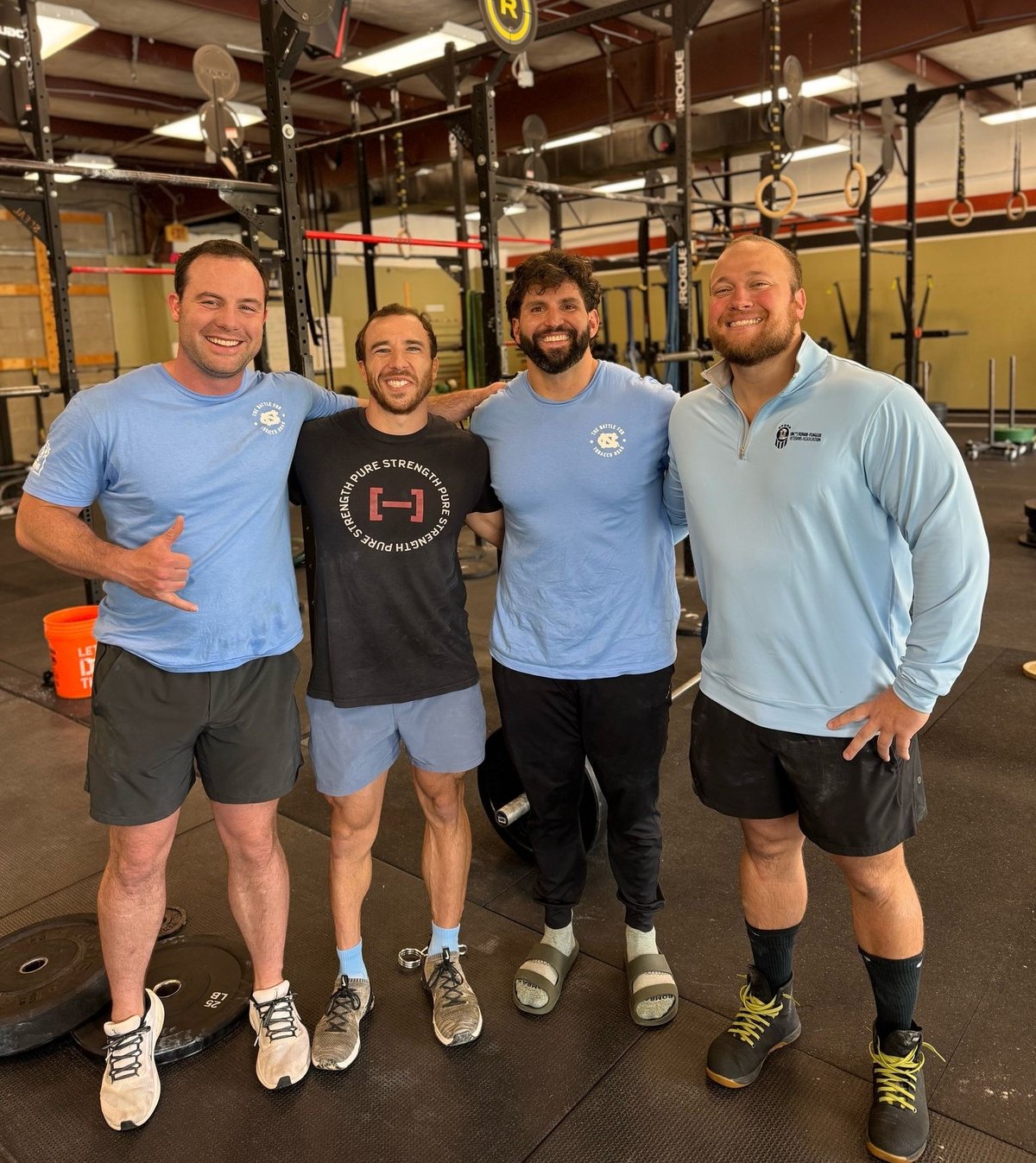
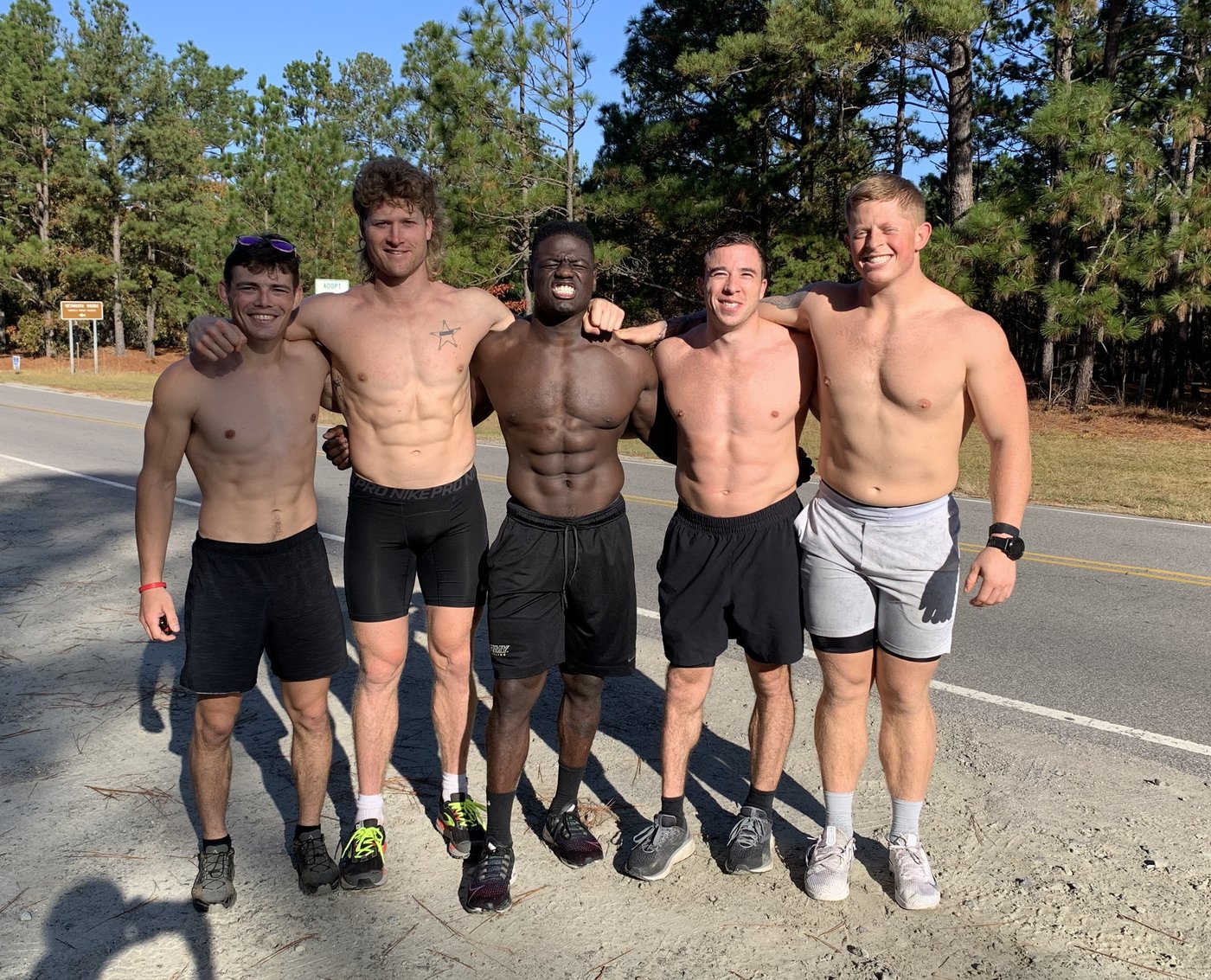
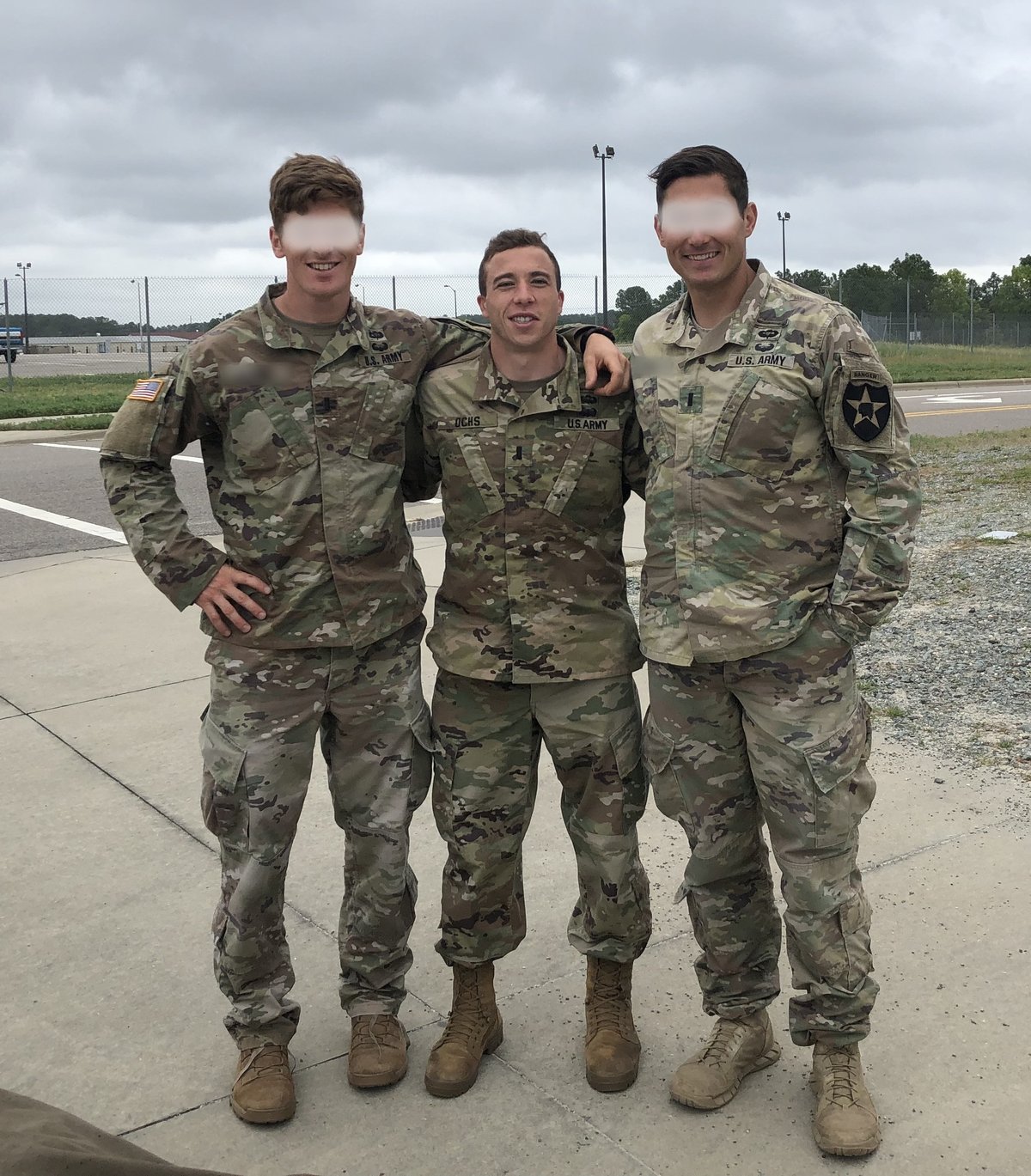
I graduated from West Point in 2015 and served eight years as an Army officer, leaving active duty as a captain in Summer 2023. For that entire stretch my fitness was measured by somebody else on a fixed schedule — record APFTs, Ranger School, Special Forces Assessment and Selection, various other military schools. There was always a standard and always a number.
After I separated, the testing stopped. Business school, focusing on pickleball and intramural sports, working out in my apartments’ gym; two and a half years went by without a single structured mile. Nothing dramatic happened — the scoreboard simply went away, which is the ordinary way a former athlete loses an engine he spent over a decade building.
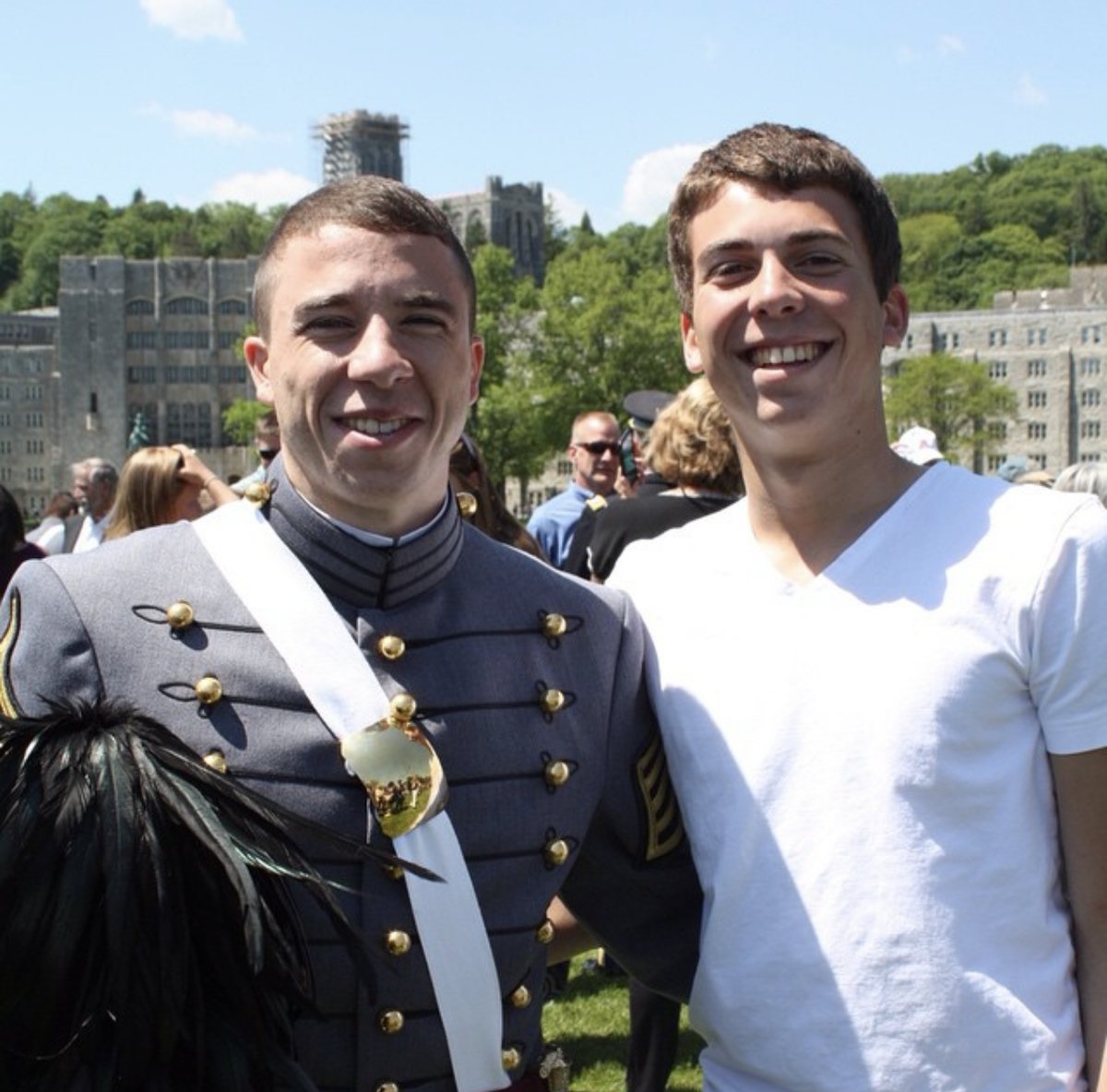
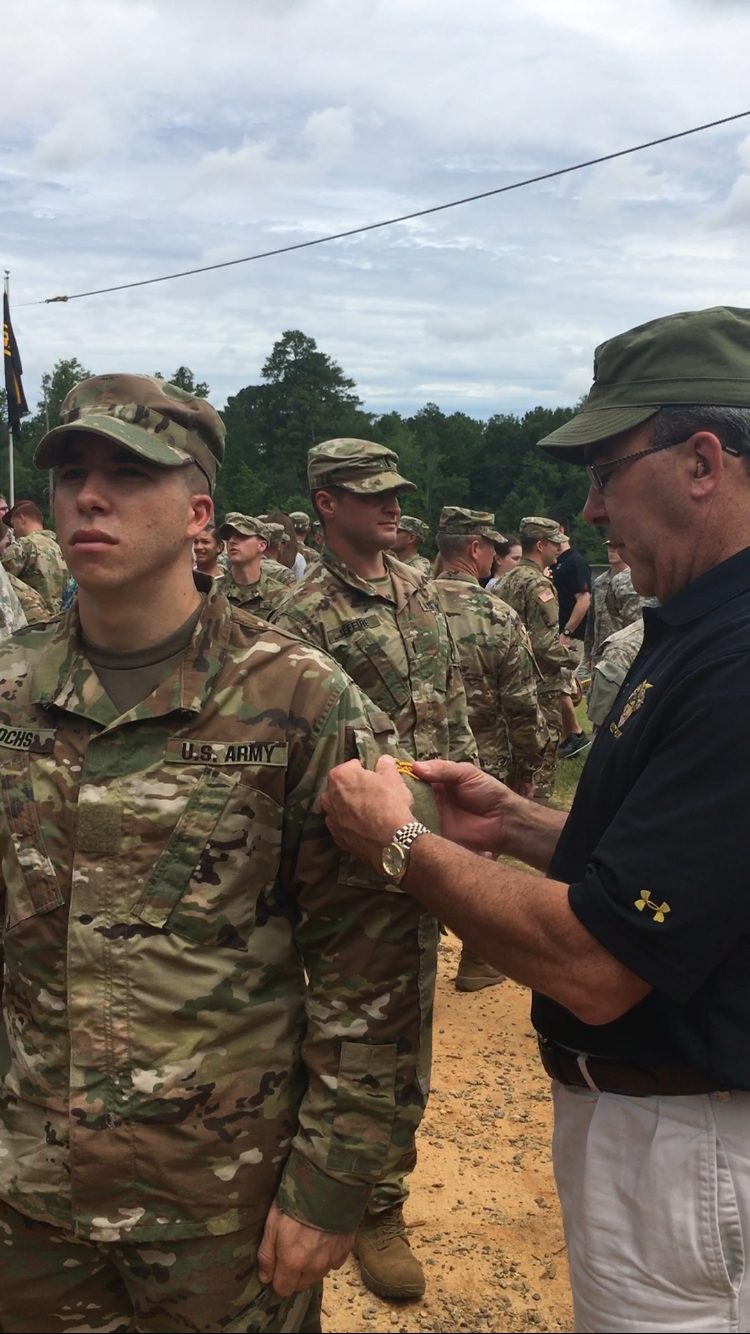
I realized in January 2026 something needed to change. I threw a competition on my calendar to find some motivation and started training seriously again, rejoining a local CrossFit gym. Three months later I ran my first HYROX in Miami Beach: 1:12:43, 161st of 1,463 in Men’s Open, having done no structured run training in two and a half years.
The splits I analyzed post-race were the useful part. My transitions ranked in the top 11.8% of the field, but my running ranked in the top 20.1%, the main reason I finished outside the top fifty. One test told me precisely which quality to work on.
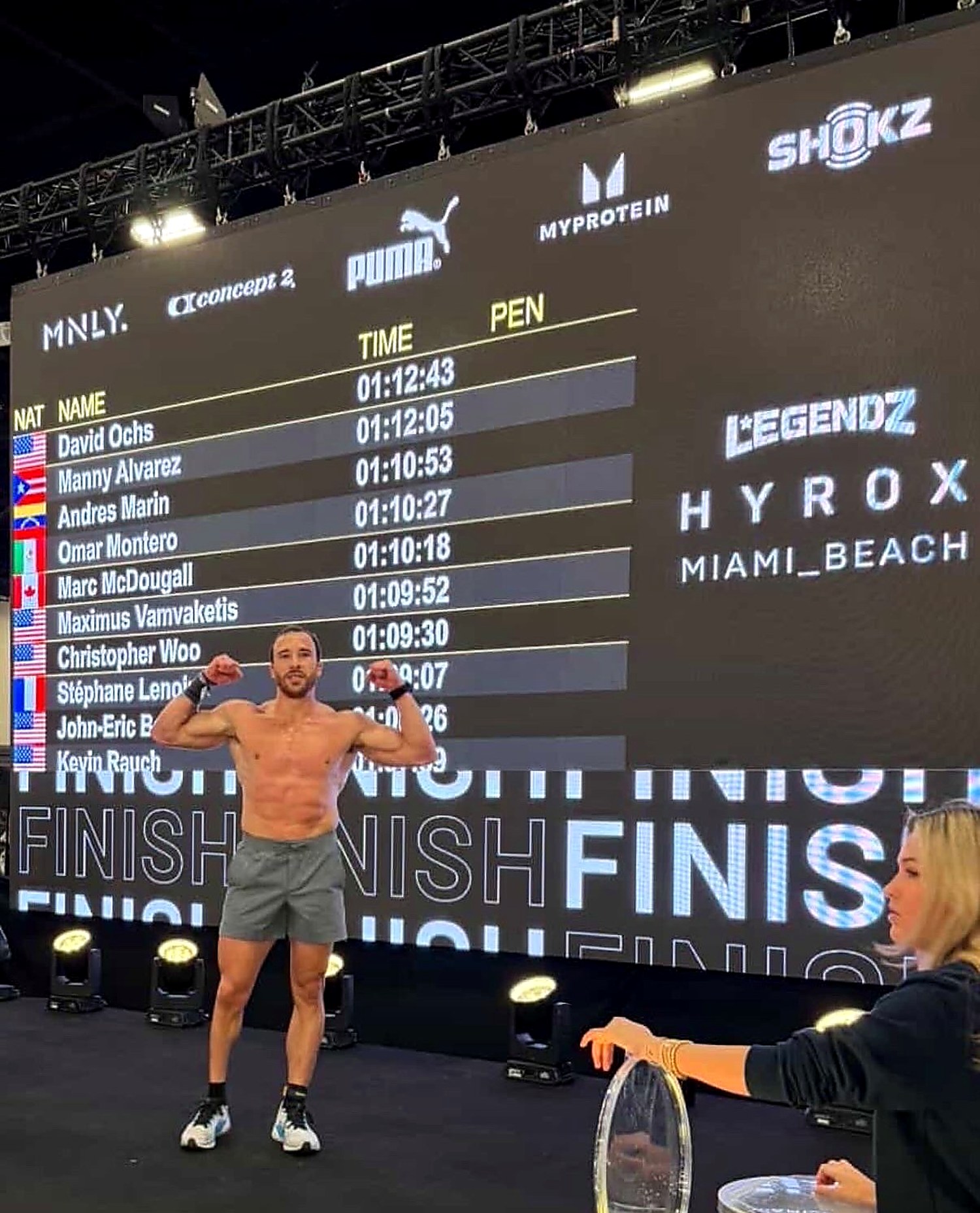
That result is what this year is built on. I’m taking on HYROX Tampa in October, the 25th Miami Lifetime Marathon in January, and IRONMAN Jacksonville in May 2027 — the first marathon and first triathlon of any distance in my life. For the first time as an adult I’m training with a coach and a testing protocol, and every number goes up whether it flatters me or not, the sessions that go badly included.
The plans and the benchmark come from the same place. The five-test benchmark I used to find my own weak link is free, because every man should know which number is holding him back to actually force changes to your training.
That is the racing year. The reason I am documenting it in public is narrower than it looks. I am writing for men roughly between 25 and 45 who were athletes once and are now somewhere else — not collapsed, likely just busy, with the training quietly deprioritized behind work and family. The premise is that the best shape of your life is still available at thirty-five on a real schedule, and chasing it properly makes you better at the things that outrank it: leading people well, being a family member or a friend worth having, following Christ always. The fitness sits downstream of that. It is not the point of it.
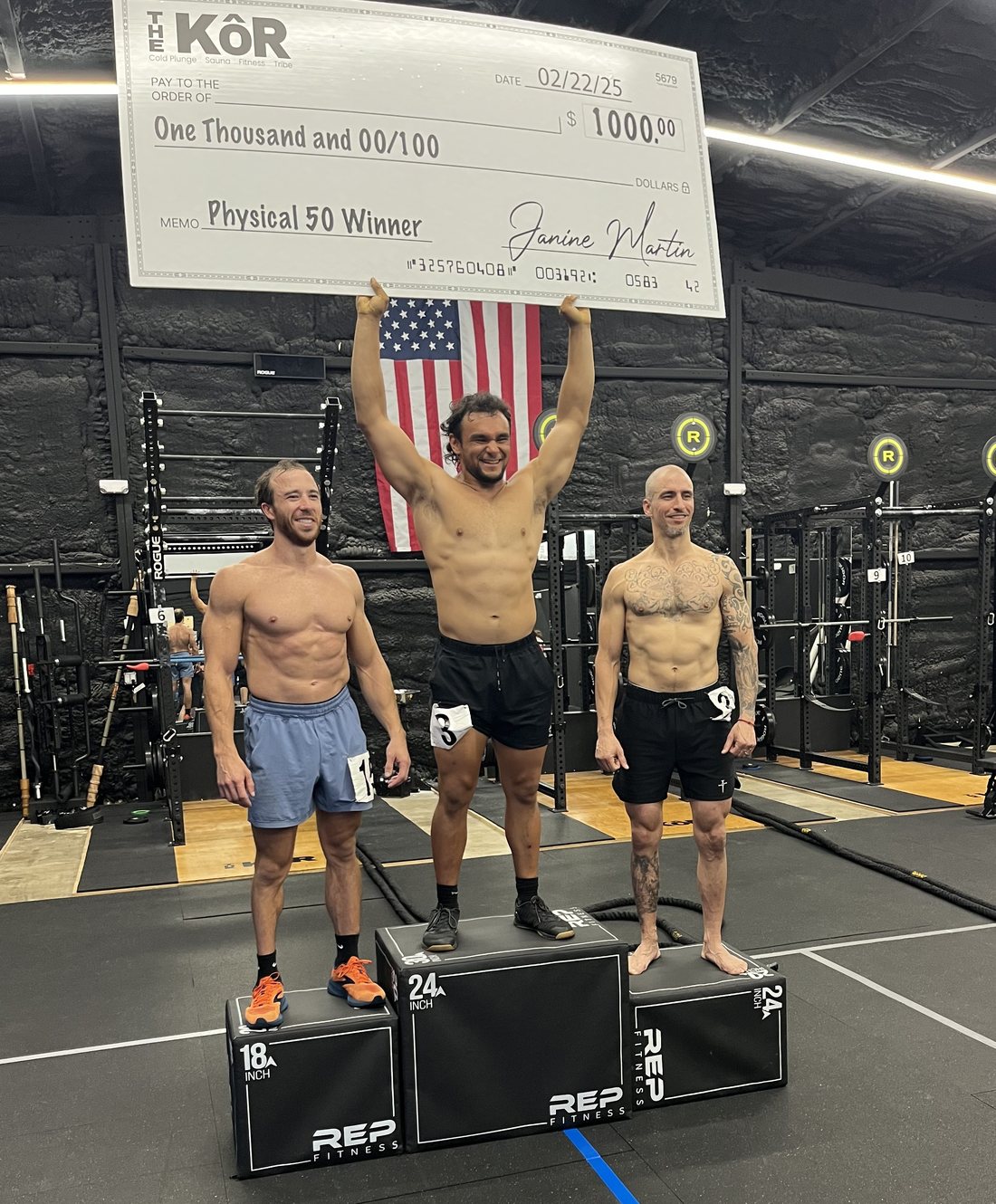
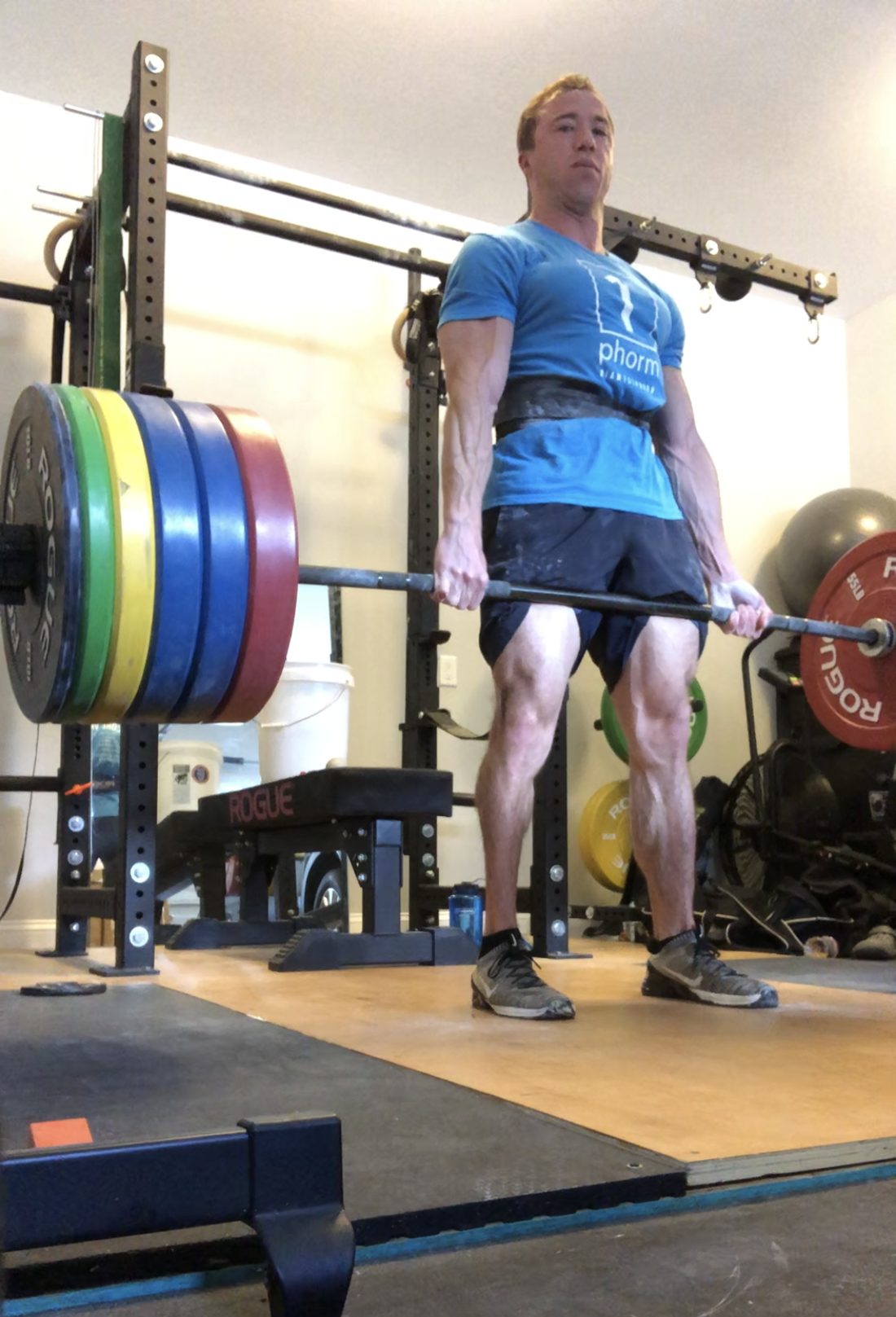

The record